
The quiet farmhouse known as Wood Farm, located on the Sandringham estate in Norfolk, has recently become the temporary residence of Prince Andrew. While the property might appear modest compared with the grand royal residences often associated with the British monarchy, its past reveals a surprisingly rich and sometimes poignant history.
From royal retreats and family memories to more somber chapters, the story of Wood Farm stretches back more than a century and connects several generations of the royal family.
A Private Escape for Prince William and Kate Middleton
Long before it became Andrew’s temporary residence, Wood Farm played a quiet role in the early romance between Prince William and Catherine, Princess of Wales.
In the early 2000s, the couple reportedly visited the six-bedroom farmhouse while their relationship was still developing. Their first stay is believed to have taken place in 2002, shortly after they met as students at University of St Andrews in Scotland.
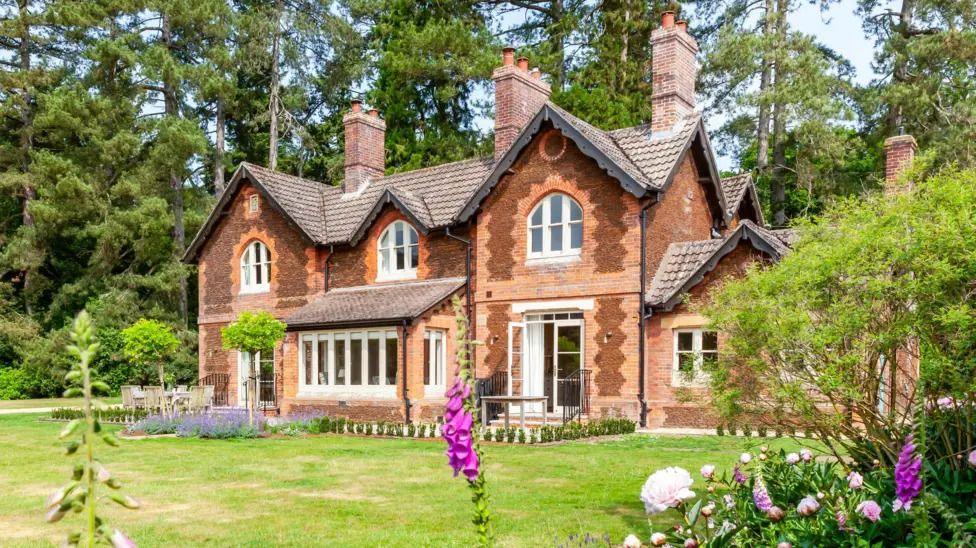
According to royal author Christopher Andersen, the future couple once attended a shooting party on the Sandringham estate where several of William’s friends stayed at Wood Farm. At the time, the main house was hosting other royal guests, including members of the Danish royal family.
The pair are said to have returned to the farmhouse several times during those early years, even spending New Year’s Eve there in 2005. For William and Kate, the quiet countryside setting offered privacy far from public attention.
The Tragic Story of Prince John
The history of Wood Farm also includes one of the more heartbreaking chapters of the royal family.
In 1916, the cottage became the home of Prince John of the United Kingdom, the youngest son of King George V and Queen Mary.
Prince John had suffered from severe epileptic seizures since childhood. As his condition worsened, he was moved to Wood Farm so he could live in a quieter and more controlled environment.
Often remembered as the “lost prince,” John spent his final years there under the care of nurses and staff. Tragically, he died in his sleep in 1919 at just 13 years old.
Following his death, the farmhouse was later rented out before eventually being repurposed as a guest residence for visitors to the Sandringham estate.
Sarah Ferguson’s Stay After Her Separation
Decades later, the property again became a refuge during a difficult period for another member of the royal family.
In 1992, Sarah Ferguson stayed at Wood Farm after separating from Prince Andrew. The arrangement allowed her to remain close to her daughters, Princess Beatrice and Princess Eugenie, during Christmas celebrations on the Sandringham estate.
The farmhouse once again served its traditional role as a quiet and private place for members of the royal family during moments of transition.
Prince Philip’s Final Retreat
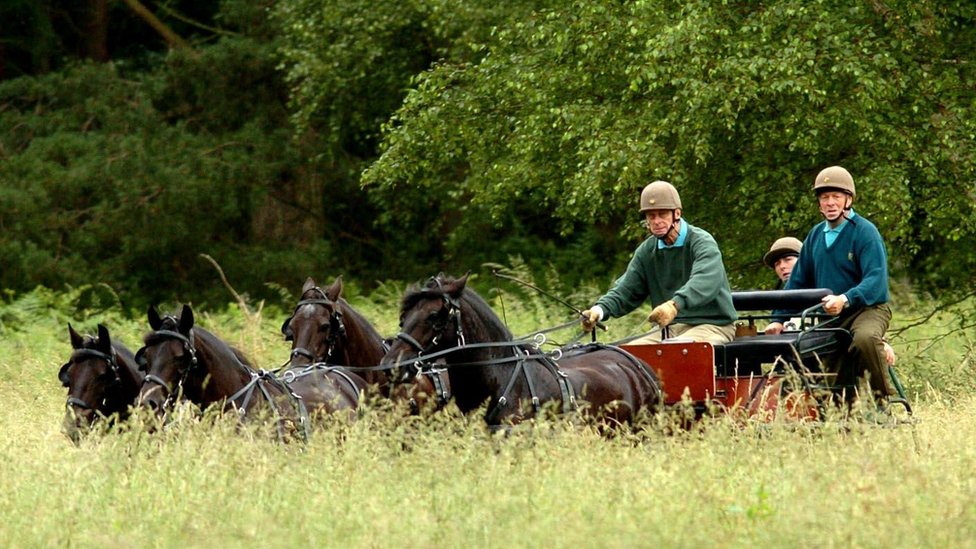
Wood Farm later became closely associated with Prince Philip.
After retiring from public duties in 2017, Philip chose the farmhouse as his main residence on the Sandringham estate. Away from royal ceremonies and official responsibilities, he spent much of his time there enjoying a quieter lifestyle.
He was frequently seen carriage driving around the estate and focusing on personal interests, including conservation projects and mechanical hobbies.
Philip lived at Wood Farm until the COVID-19 pandemic in 2020, when he moved to Windsor Castle to join the Queen during lockdown.
Andrew’s Move and the Future at Marsh Farm
Prince Andrew’s current stay at Wood Farm is expected to be temporary. Reports indicate he will eventually relocate to another property on the Sandringham estate known as Marsh Farm, once renovations are completed.
The red-brick cottage reportedly includes five bedrooms, reception rooms, outbuildings and stables. Builders have also been seen installing security upgrades such as fencing, CCTV systems and improvements to electrical and sewage infrastructure.
The Sandringham estate itself is privately owned by King Charles III, who is believed to be covering the costs associated with Andrew’s new accommodation.
Leaving Royal Lodge Behind
Andrew’s move follows his departure from Royal Lodge, where he had lived for many years.
Sources claim the transition was difficult for the Duke of York, as the property held numerous family memories. Reports also suggest he left quietly to avoid public attention during a period of renewed scrutiny surrounding documents linked to the Jeffrey Epstein case.
At the same time, Andrew is reportedly seeking to end his lease on another property, East Lodge in Berkshire, which he has rented from the Crown Estate since 1998.
A Quiet House With a Remarkable Past
Despite its modest appearance, Wood Farm has quietly witnessed many moments in royal history.
It has been a refuge for young love, a sanctuary during illness, a retreat for retirement, and now a temporary home during a period of personal transition.
For a simple farmhouse on a country estate, Wood Farm holds a surprisingly layered story that reflects the private lives of Britain’s royal family across generations.


