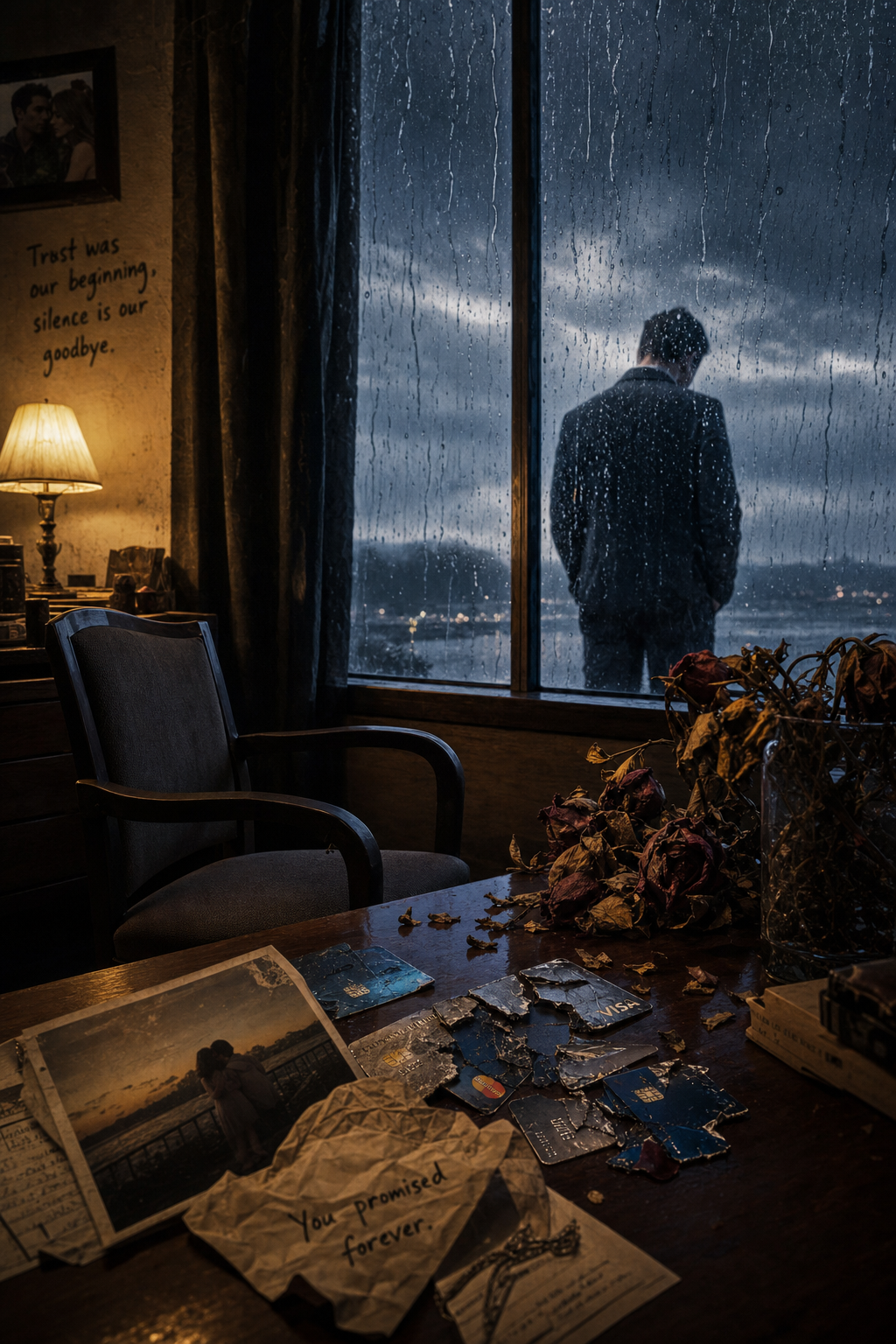
I didn’t know what to say. We had done everything parents were supposed to do—late-night school projects, hospital visits, tuition payments, emotional talks. And still, they chose greed over family. Convenience over compassion.
To distract ourselves, we explored the city—stone alleys, warm bread, small cafés where strangers treated us with more kindness than our own children did. But the quiet never lasted.
One evening, as I washed dishes, my phone lit up.
Emily.
Margaret stiffened. I let it ring. Then came a message:
“Dad, please call. It’s urgent.”
I erased it.
The next morning—an email: “We know you’re alive. We need to talk.”
My gut twisted. Had they traced us? Hacked something? Found a trail?

More calls followed. More messages. Daniel’s were colder:
“You’re making this worse. Call me before you regret it.”
Regret? After what he said as I lay unconscious?
One night, Margaret finally said, “You can talk to me, Robert.”
So I did. I told her how ashamed I felt—ashamed I hadn’t noticed their selfishness sooner, ashamed that I still loved them. She held my hands and reminded me that love didn’t mean surrender.
But peace shattered again when a letter arrived from my sister in Boston:
Your children are telling people you’re unstable. They’re trying to access your accounts. Be careful.
I knew then it had gone too far.
That night, I contacted an attorney in Florence to finalize documents cutting Daniel and Emily off completely. I wrote a full statement about what I heard in that hospital room and locked it away.
Not revenge. Protection.
Over time, the calls slowed, then stopped. Maybe they were frustrated. Maybe they were waiting.
Margaret and I rebuilt our days—slow mornings, long meals, sunsets over the hills. A life that felt fragile at first, then deserved.
And now, I wonder:
If you were in my place, what would you have done?
Stayed? Forgiven?
Or started over, like we did?