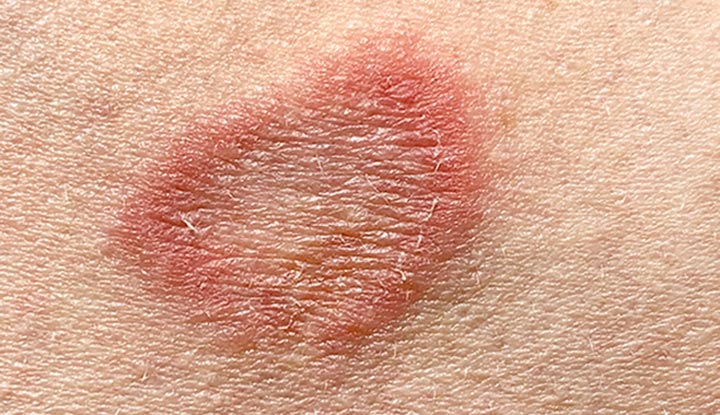
If you suspect ringworm, use antifungal creams containing clotrimazole, terbinafine, or ketoconazole—or, better yet, consult a dermatologist. Early diagnosis and proper treatment will lead to a quicker and more effective recovery.
5. Strengthen Your Skin from the Inside Out
Healthy skin begins with a healthy body. A strong immune system can prevent fungal infections from taking hold.
Maintain a balanced diet rich in fruits, vegetables, and probiotics to support your gut and skin health. Stay hydrated, exercise regularly, and manage stress, as chronic stress weakens the immune system. Quality sleep is equally important—your body repairs and strengthens itself while you rest.
Final Thoughts
Preventing ringworm doesn’t require costly treatments—just consistent hygiene and awareness. Keeping your skin clean and dry, maintaining good personal habits, and caring for your immune health go a long way in protecting you from infection.
If you notice persistent, itchy, ring-shaped patches on your skin, don’t ignore them. Seek medical advice early to prevent the infection from spreading to other parts of your body or to people around you.