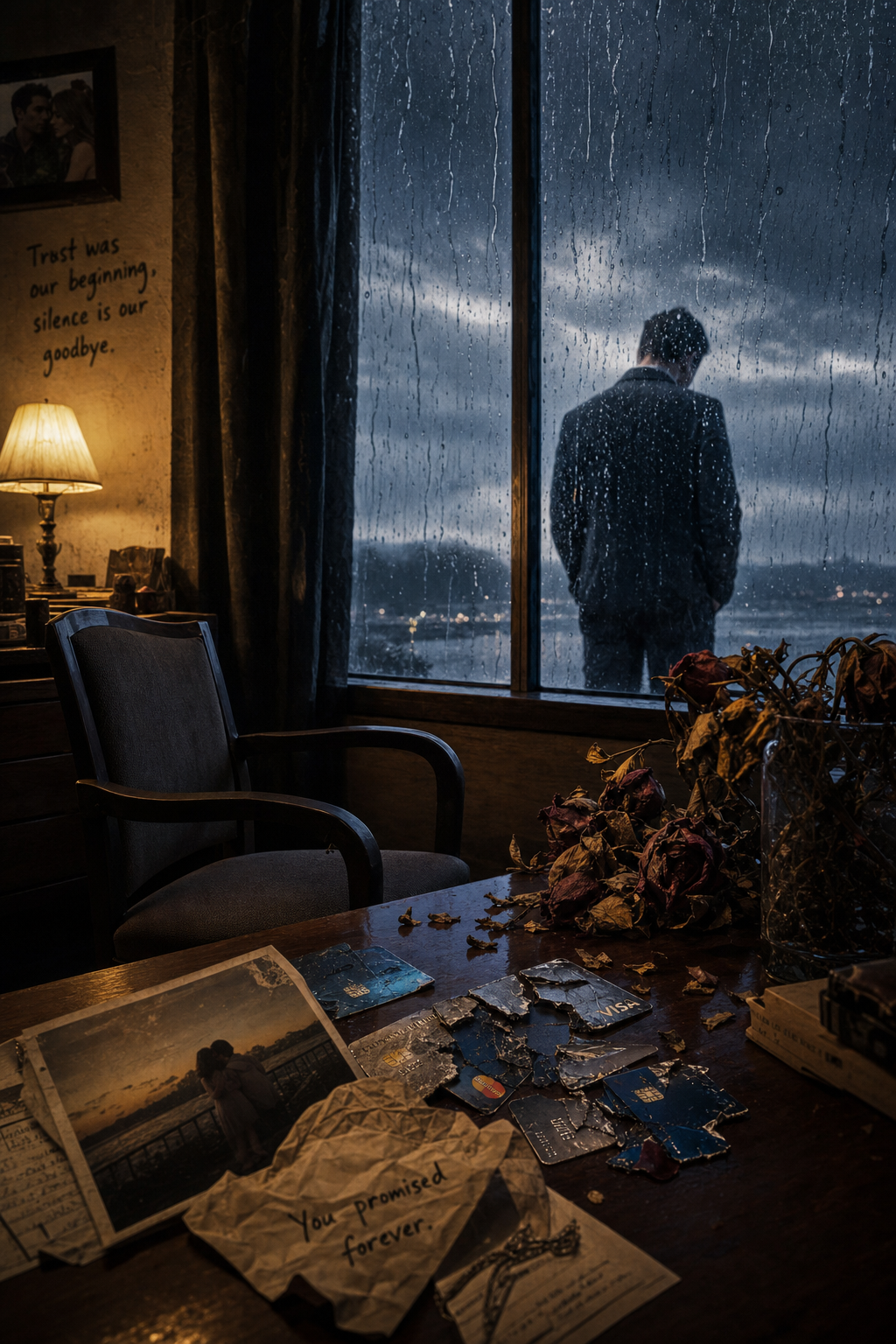
Eleanor never cried for Caleb. Not once. She cried for herself—for her image, her standing, for “what people would say.” The jury didn’t deliberate long.
Guilty.
She was sentenced to life without parole.
Marissa accepted a plea deal. Five years.
Thomas signed the divorce papers quietly, his eyes empty. He asked once if I thought I could ever forgive him.
I told him forgiveness wasn’t the same as trust.
Noah and I moved to another state. New school. New routines. A small house with a backyard where the afternoon sunlight settled gently.
He still talks about Caleb. About teaching him to ride a bike someday. I let him talk. I never tell him to stop.
Sometimes I think about what might have happened if Noah hadn’t spoken up. If he’d believed her. If he’d stayed quiet.
That thought keeps me awake some nights.
I started volunteering with hospital advocacy groups, working to change procedures, pushing for stricter access controls in maternity wards. Caleb’s name is now attached to one of those policies.
Thomas sends birthday cards. I don’t answer.
Eleanor sends letters from prison. I don’t open them.
People tell me I’m strong.
I don’t feel strong.
I feel awake.
And every time I see a nurse’s cart, I remember the moment an eight-year-old boy protected the truth—even when it came too late to save his brother.