
A familiar food with an unexpected secret
It sits quietly on market stalls and dinner tables across the world. Plain, filling, comforting. Cassava is one of those foods people rarely question. Yet behind this humble root is a reality most never hear about. One that even surprises people who consider themselves well informed about nutrition.
A lifeline for millions
In many tropical regions, cassava is more than food. It is survival. The plant thrives where other crops fail, growing in dry soil with little care. In Africa, South America, and parts of Asia, families turn it into flour, porridge, breads, and tapioca. It keeps children full and provides energy when harvests are uncertain.
For millions of households, cassava is not a health trend. It is the reason hunger does not win.
Why warnings exist

Cassava itself is not dangerous when prepared correctly. The issue appears when it is eaten raw or rushed through preparation. The root naturally contains compounds meant to protect the plant from predators. Without proper processing, these compounds can affect the human body.
Health agencies have recorded poisoning cases in areas where food shortages force people to skip essential preparation steps. The danger is not in cassava itself. It lies in circumstances where knowledge, time, or clean water are missing.
When hardship raises the risk
In times of crisis, families may shorten soaking or cooking time. Sometimes there is not enough water. Sometimes there is urgency to eat quickly. Unfortunately, this is when problems occur. Long term exposure to improperly prepared cassava can harm the nervous system and overall health.
In communities where traditional preparation methods are preserved, incidents are rare. Knowledge passed through generations remains the strongest protection.
Simple steps that make cassava safe
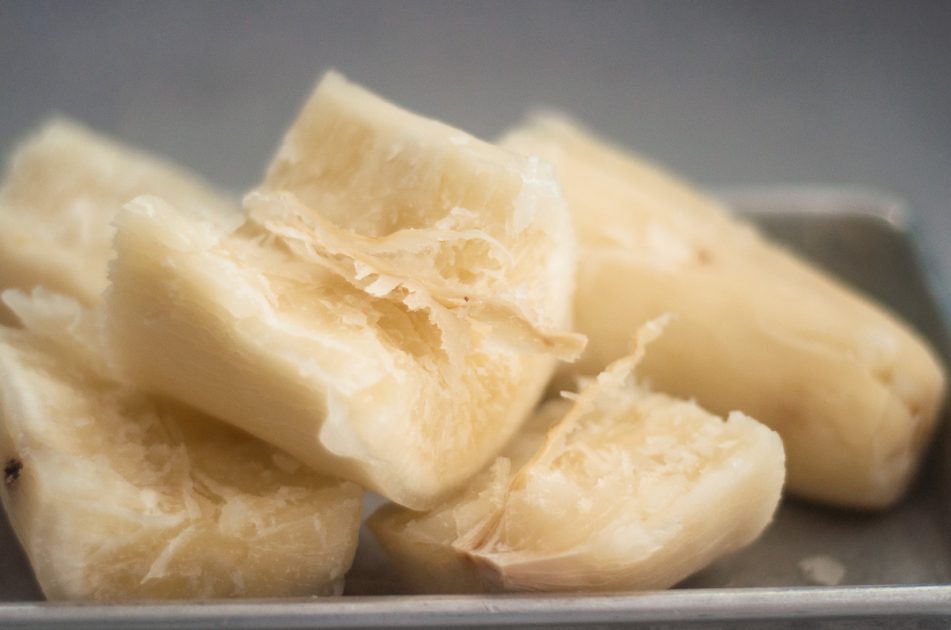
Traditional practices have always held the answer.
- Peeling the root removes most harmful compounds.
- Soaking it in water for one or two days draws out remaining toxins.
- Boiling completes the process.
- Fermentation in certain recipes adds an extra layer of safety.
Why people continue to love it
Despite the warnings, cassava remains deeply valued. It is naturally gluten free, filling, affordable, and versatile. It can become fries, stews, flatbreads, desserts, or pearls for drinks. Properly prepared, it provides nutrients and supports digestion.