
1. People with Bleeding Disorders or Taking Bl00d Thinners
Why to avoid ginger:
Ginger contains natural compounds that thin the blood and reduce clotting. While this helps improve circulation in healthy individuals, it poses a risk for people with bleeding disorders or those taking anticoagulant medications such as warfarin, aspirin, or clopidogrel.
Excessive ginger consumption may increase the risk of prolonged bleeding, bruising, or nosebleeds, especially when combined with other blood-thinning substances like garlic or ginseng.
Better alternatives:
- Use small amounts of turmeric for anti-inflammatory benefits without significant blood-thinning effects.
- Increase vitamin K intake with foods such as spinach, kale, and broccoli to support normal clotting.
- Always consult a doctor before using herbal supplements if you’re taking prescription blood thinners.
2. People with Diabetes
Why to avoid ginger:
Ginger may lower blood sugar levels by improving insulin sensitivity. For those using insulin or other glucose-lowering drugs, this can cause hypoglycemia — dangerously low blood sugar — leading to dizziness, sweating, confusion, or fainting.
Better alternatives:
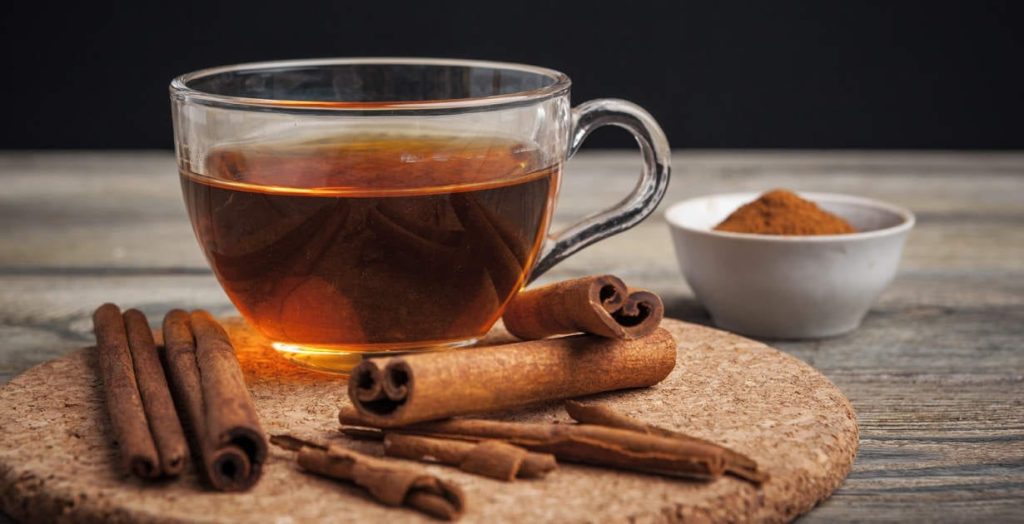
- Try green tea or cinnamon tea, both of which help stabilize blood sugar more gently.
- Focus on balanced meals with whole grains, lean protein, and fiber-rich vegetables.
- Monitor blood sugar regularly and discuss any herbal use with your healthcare provider.
3. People with Heart Disease or Taking Heart Medications
Why to avoid ginger:
While moderate ginger consumption can support circulation, excessive amounts may interfere with heart medications such as beta-blockers, calcium channel blockers, or antiarrhythmic drugs. Large doses of ginger have been linked to irregular heartbeat, blood pressure fluctuations, and heart palpitations.
Better alternatives:
- Incorporate garlic or omega-3 fatty acids (from salmon, flaxseed oil, or walnuts) to support cardiovascular health safely.
- Follow a heart-healthy diet low in sodium and rich in vegetables, fruits, and healthy fats.
- Consult a cardiologist before using herbal or natural remedies.