With under 50 calories per cooked cup and 94% water content, it allows you to enjoy filling portions without consuming excess calories. Its fiber content further supports weight management by promoting satiety and reducing overall calorie intake.
Compared to other starchy foods such as rice or potatoes, pumpkin is a lighter, more nutritious option for those looking to lose or maintain weight.
6. May Help Reduce the Risk of Can:cer
Several studies have found that diets rich in carotenoids — like those found in pumpkin — are linked to a lower risk of certain cancers, including stomach and lung cancers.
Alpha-carotene and beta-carotene, in particular, are known to protect cells from DNA damage and inhibit cancer cell growth.
7. Supports Heart Health
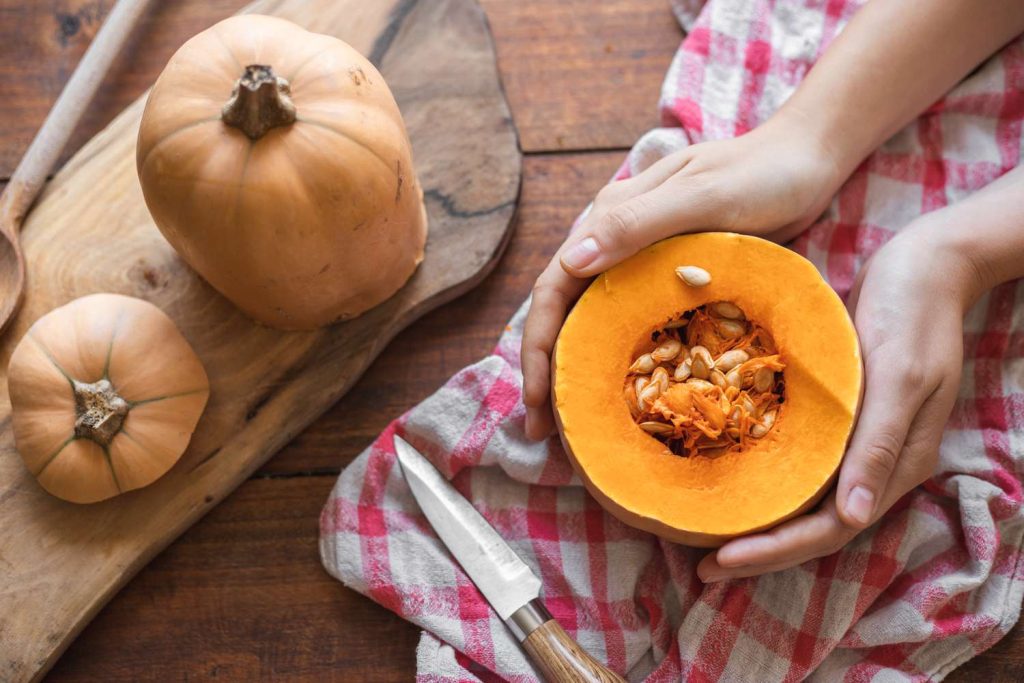
Pumpkin is rich in potassium, vitamin C, and dietary fiber — all of which are beneficial for cardiovascular health.
Potassium helps regulate blood pressure and may reduce the risk of stroke and heart disease. Meanwhile, vitamin C acts as an antioxidant that supports blood vessel health.
Additionally, the antioxidants in pumpkin prevent the oxidation of LDL (“bad”) cholesterol, which can otherwise contribute to artery blockages.
8. Promotes Healthy Skin
Pumpkin provides a range of skin-friendly nutrients, especially carotenoids such as beta-carotene, which the body converts into vitamin A.
A single cup of cooked pumpkin provides over 75% of the recommended daily intake for vitamin A. Carotenoids like beta-carotene help protect skin cells from UV damage, acting as a natural internal sunblock.
Pumpkin’s vitamin C content also supports collagen production, which helps keep skin firm and elastic. Additional antioxidants such as lutein, zeaxanthin, and vitamin E further protect the skin from sun-induced damage and premature aging.
9. Low in Calories and Highly Versatile
Pumpkin’s mild sweetness and creamy texture make it easy to incorporate into a variety of dishes — both sweet and savory.
You can roast pumpkin, blend it into soups, mash it into purees, or use it in baked goods such as pies, muffins, and pancakes. Even the seeds are nutritious and can be eaten roasted or used to make pumpkin seed oil, which has been linked to benefits for heart and bladder health.