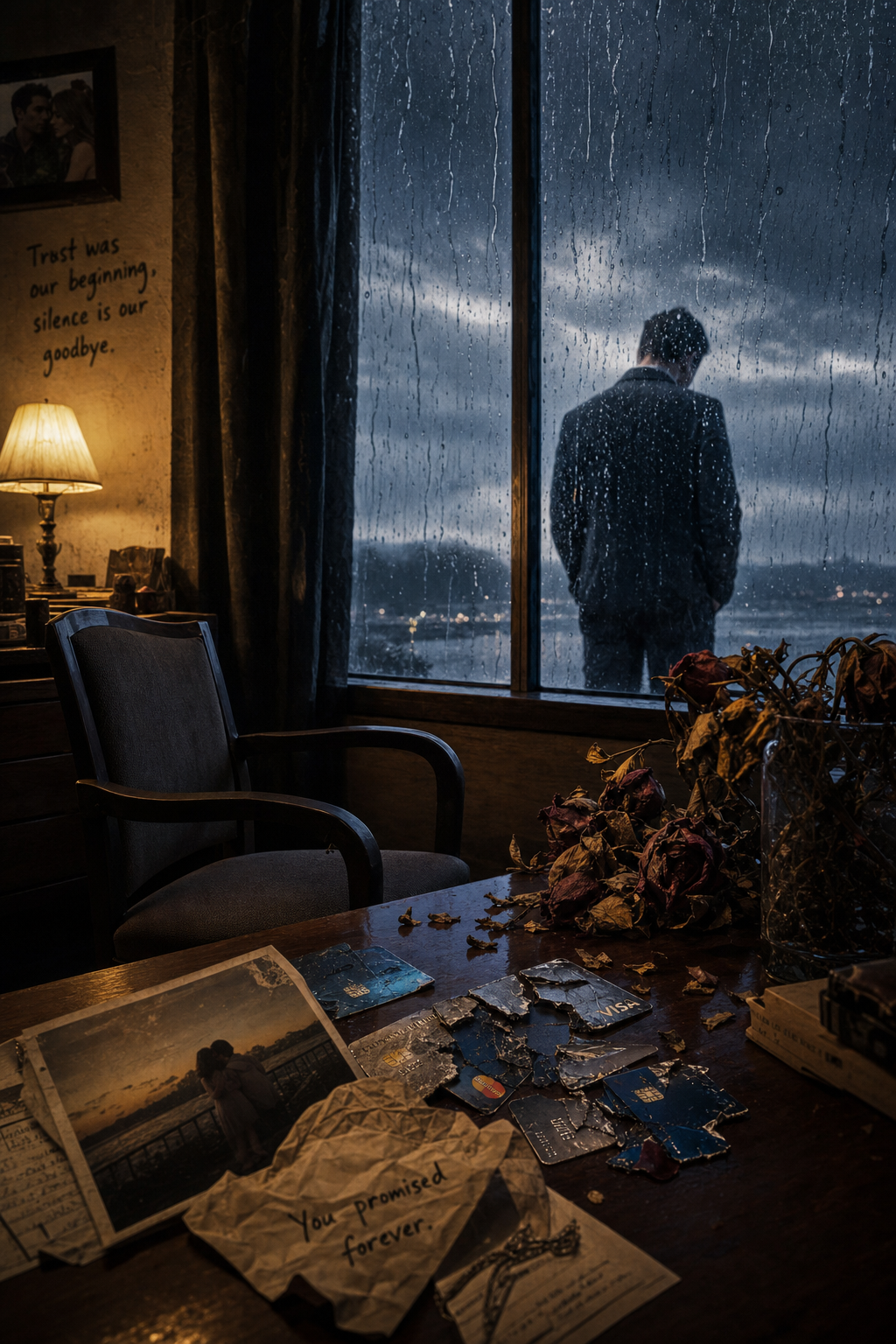
During the drive, Natalie told me everything, her words spilling out slowly at first, then with a desperate urgency that suggested she had been holding them inside for far too long. She spoke of nights filled with shouting, of insults disguised as concern, of hands that pushed her just hard enough to leave no marks but plenty of fear. She described how she had been ordered to leave with only a bag of clothes, how she had wandered unfamiliar streets with a crying infant, learning how invisible a person can become when they have nothing left to offer the world.
I listened, my jaw clenched, my mind sharp and clear in a way it had not been for years. This was not shame. This was injustice, and injustice demands action, not silence.
When we arrived, my wife Linda Harper opened the door. The moment she saw Natalie, something broke free in her expression, and she crossed the room in seconds, pulling our daughter into her arms. Natalie collapsed against her, sobbing openly now, no longer pretending to be strong.
That night passed without questions or accusations. There was hot soup on the stove, clean clothes laid out carefully, and a small crib assembled in the corner of the guest room. There was quiet, the kind that heals instead of suffocates.
In the days that followed, I made phone calls that mattered. I contacted a lawyer who specialized in family protection. I reached out to a friend in the district office who understood discretion. I spoke with a social worker who listened without judgment and took detailed notes.
Not for revenge. For protection.

Weeks passed. Natalie began to sleep through the night. Her daughter, Lily Harper, gained weight and laughed with a sound like small bells. Slowly, cautiously, Natalie smiled again, not with the ease she once had, but with sincerity.
One afternoon, as we sat together in the backyard, Natalie turned to me.
“I thought you would be ashamed of me,” she said quietly.
I reached out and brushed her hair back, just as I had when she was a child.
“It would have been shameful not to bring you home,” I said. “It would have been shameful to leave you alone.”
She leaned her head against my shoulder, and in that moment, I understood something with absolute clarity. A father does not ask why when his child falls. He opens his arms. And he lifts her back up.