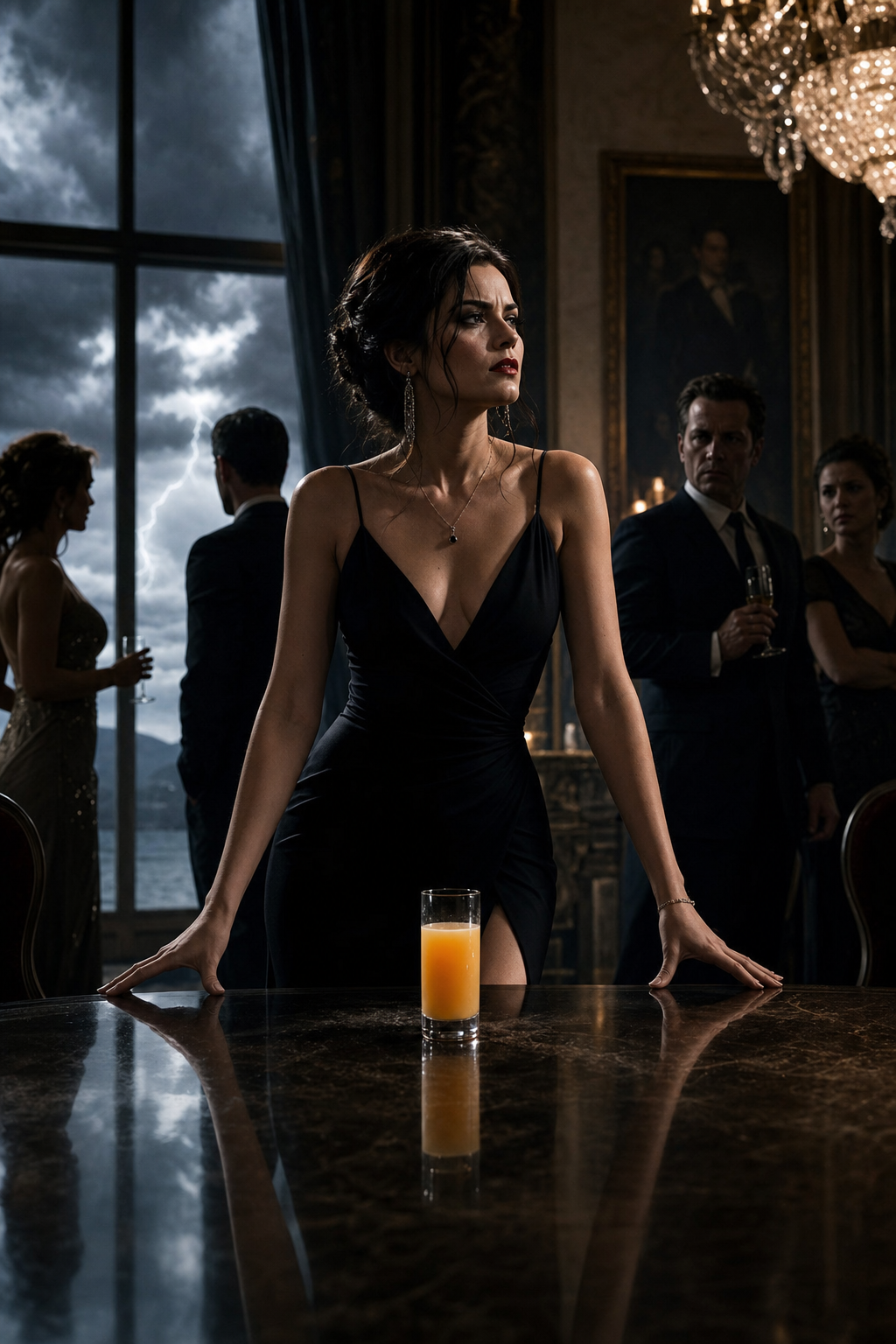
I stand at the podium and talk about the exhibition, about art made by people who lost everything and created anyway, about survival as a creative act, about how the most powerful thing a person can do is decide that their own story isn’t over.
I don’t mention my family. I don’t need to. Everyone in this room who matters already knows.
Afterward, my phone buzzes. A text from Patricia.
I miss you.
I read it. Two words, six letters. I put the phone back in my pocket. I don’t reply.
Then I walk back into the gallery where Helen is examining a sculpture and James is laughing at something Maggie said. And I think about the woman I was two weeks after Nathan’s funeral, standing on a porch in Ridgewood, shaking, pressing record on her phone with no plan and no allies and no certainty that anything would work.
She figured it out. I figured it out.
Some families are built by blood. Mine was built by the people who showed up when it mattered.
On my desk at the museum, beside the name plate that reads, “Associate Director,” there’s a 4×6 graduation photo and two folded letters in blue ink. They’re the only inheritance I’ll ever need.
That’s my story. I didn’t plan to stand in front of my father’s church and lay out 12 years of stolen money. I didn’t plan to lose my family the same month I lost my husband. But I learned something Nathan tried to tell me all along. The people who love you don’t need you to be small so they can feel big.
If this story meant something to you, leave a comment. Tell me what’s the one boundary you wish you’d set sooner. And if you want more stories like this one, check the description. I’ve picked a few I think you’ll connect with.