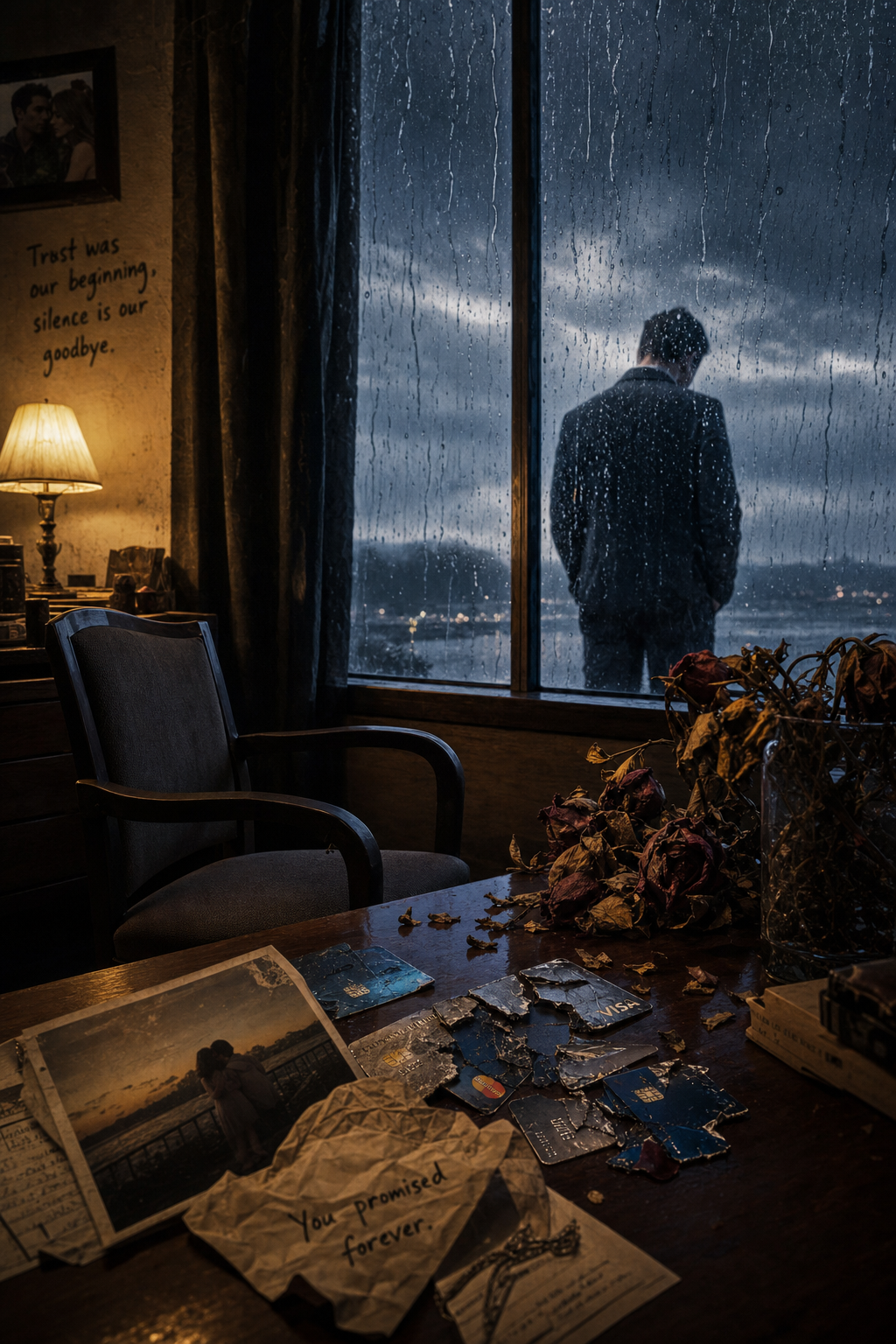
Weeks passed, and payments began arriving consistently, each one reminding both of us that the dynamic had shifted permanently. What once had been unconditional support had become accountability enforced through legal structure.
During that time, I purchased a small cottage near Flagstaff in northern Arizona, a quiet place surrounded by trees and open space. It was not meant for punishment or isolation, but for distance and clarity.
Eventually, Corin and Maris requested to meet again in person, this time without interference from others. They arrived at a modest apartment that reflected their reduced circumstances, a stark contrast to the life they once expected.
During dinner, Maris spoke first, her voice quiet and steady.
“I allowed influence from my father to cloud my judgment, and I failed to respect your role in our lives.”
Corin followed with his own admission.
“I chose convenience over loyalty, and I understand now how deeply that hurt you.”
I listened carefully before responding.
“I do not need perfection, but I require consistency and respect going forward, because I will not repeat this cycle again.”
They agreed without hesitation, understanding that trust would now be rebuilt slowly through actions rather than words.
As I drove home that night through quiet roads of Washington state, I realized that the situation had never been about money alone. It had been about recognition, boundaries, and the quiet demand to be valued as more than an obligation.
I did not feel victory in the traditional sense, only clarity and distance from a version of myself that had tolerated too much for too long. The cottage in Flagstaff represented something new, a life where presence would be earned rather than assumed.
And for the first time in years, I understood that walking away had not ended love, it had finally defined its limits.