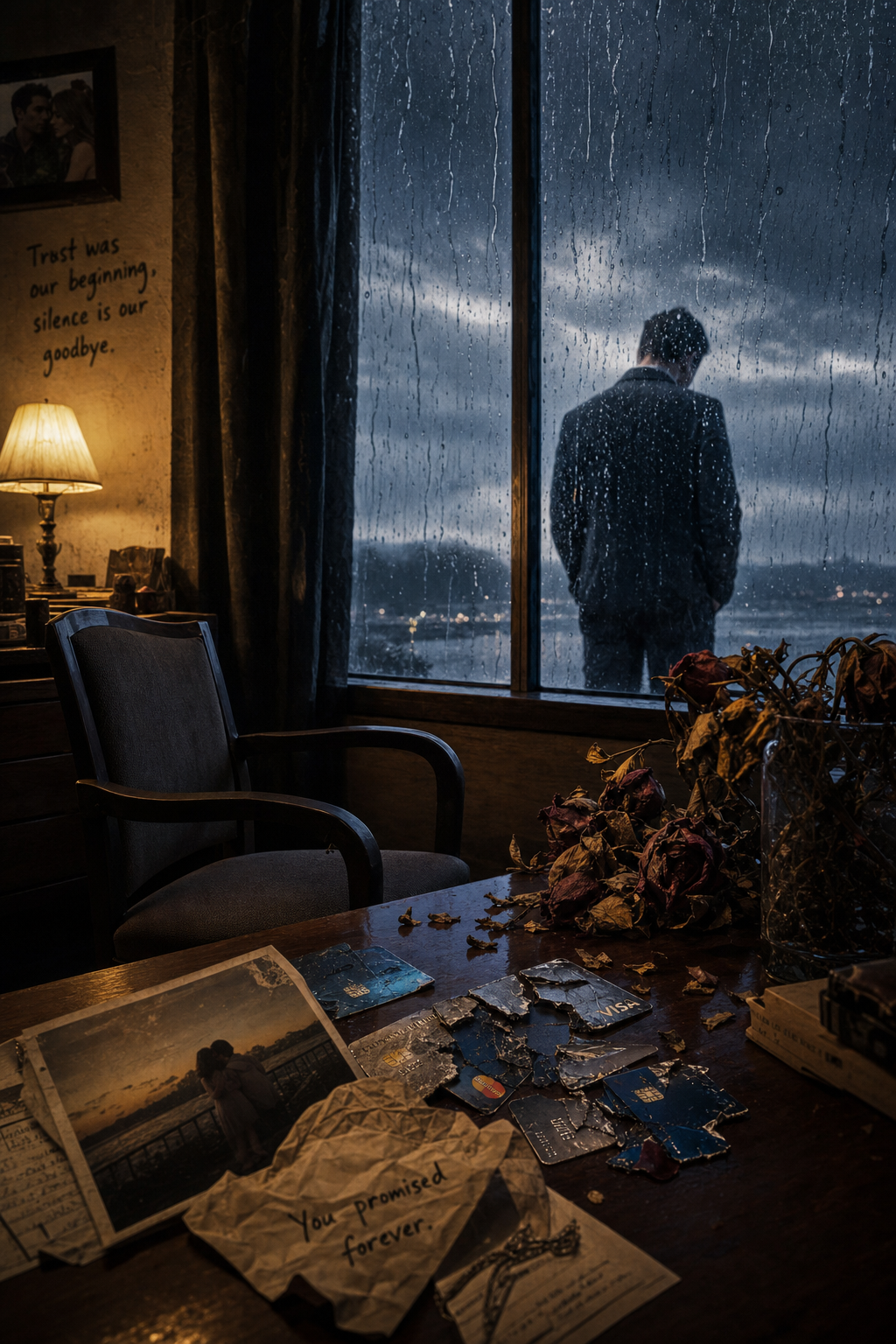
When I handed them the formal notice ending all financial support, they stared at me in disbelief. My father called it extreme, and my mother accused me of overreacting.
Then my daughter appeared in the hallway and asked, “Why did you say there was only room for people who matter?”
Silence fell like something heavy and irreversible.
My mother tried to recover, but the truth had already surfaced. My daughter pressed closer to me, and I knew there was no turning back.
“Give me the house keys,” I said.
They hesitated, then complied.
After they left, my daughter cried quietly in the shower, asking if it was her fault. I told her the only truth that mattered, that adults sometimes make bad choices and those choices are never a child’s responsibility.
A week later, they tried to pick her up from school again, lying to the staff about an emergency. The school refused, and I filed for a restraining order the next day.
The fallout spread through the family quickly, with accusations and messages flooding in, but I ignored most of them. My focus narrowed to one thing only, which was keeping my daughter safe.
Over time, new routines formed, built not on obligation but on trust. Mrs. Callahan helped, a teacher’s aide assisted after school, and I rearranged my work schedule to be present more often.
Months later, my daughter made a family tree for a school project, filling it with names of people who had shown up for her. There were neighbors, teachers, and friends, but no grandparents.
“Is this okay?” she asked.
“It’s more than okay,” I told her.
A year after that storm, rain tapped against our windows again. My daughter looked up and said, “I don’t like that day, but I like after.”
I sat beside her and understood exactly what she meant.
Because in the end, being the one who comes back matters more than anything else.